
How to Photograph an Amateur Football Match?
For an amateur photographer looking to get started in sports photography, covering an amateur football match is a good choice. Football is the most popular sport in France, so it is easy to find a match nearby. Most district and regional league matches are played on Sunday afternoons, when there is plenty of light. There is therefore no need to own a very fast and expensive lens: a simple 70-300mm f/4-5.6 can do the job.
For French amateur football, there are roughly three levels:
– the national level. This is the most interesting level to follow, but not necessarily the easiest to access. It includes the N2 and N3 championships (formerly CFA and CFA 2), as well as the national youth championships (U19 for players under 19 and U17 for players under 17). Admission is paid, except for the national youth championships, and the referee may refuse to let you onto the pitch if you are not working for the press. In that case, you will have to photograph from behind the perimeter barrier. You can also try to arrange with the home club to regularly photograph their team: you produce albums for the club website and, in return, you get free entry… it is up to you to find an arrangement!
– the regional level. These are the regional league championships, including R1 (formerly Division d’Honneur DH), R2 (formerly Division d’Honneur Régionale DHR), R3 (formerly Promotion d’Honneur PH), R4 (formerly Promotion d’Honneur Régionale PHR), etc.
Two championships are particularly interesting to follow: R1 and R2. Admission is sometimes paid, as it is for N2 and N3.
– the district level. These are the district championships, made up of many smaller competitions. The highest level is D1 (formerly District Excellence). Admission is often free, making it ideal for getting some practice!
On the FFF websites, you will find the essential information you need to prepare your photo assignment: date and time, stadium name and address, etc.
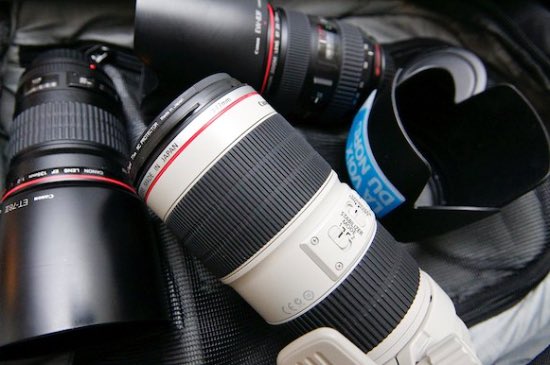
A entry-level or mid-range camera offering a minimum burst rate of 5 frames per second is more than sufficient. For the lens, a long focal length is essential: ideally 200 or 300mm. Consult the lens buying guide to choose a telephoto lens according to your budget and mount. For less than €600, Canon users can consider a Canon 70-200mm f/4 or a Tamron 70-200mm f/2.8, while Nikon users can opt for a Tamron 70-200mm f/2.8.
In general, you can photograph all the matches mentioned above if you position yourself behind the perimeter barrier surrounding the pitch.
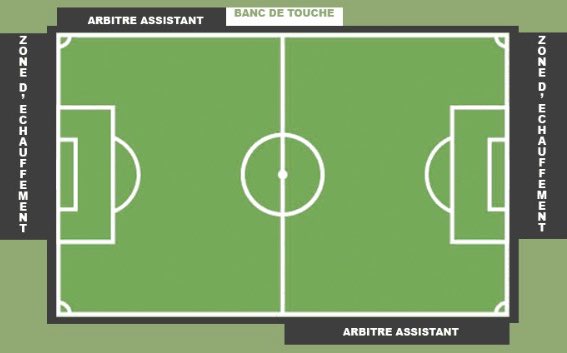
But to get better photographs, it is more effective to be on the pitch, for example beside the goal, 2 or 3 metres from the goal line and roughly level with the line marking the penalty area (about 16 metres from the goal). This position produces good results, particularly during attacking phases.
Avoid the side of the goal where the substitutes’ bench is located, as substitute players warm up there and you risk being disturbed by their repeated movements. If space allows, you can also position yourself along the touchline to photograph the midfield: this is generally where you get the best aerial duels. If you choose the touchline, position yourself opposite the assistant referee so you do not get in their way. For safety, keep at least 1.5–2 metres between your position and the white line: if you are right on the edge, you are not protected from a painful collision with a player!
If you want to go onto the pitch, remember to introduce yourself before kick-off to the referee (district or regional level) or the official delegate (regional and national levels) and explain what you are doing: they have the right to refuse your presence on the pitch. In most cases, however, there is no problem, and you will be welcome as long as you follow basic rules of courtesy and any instructions from the refereeing team.
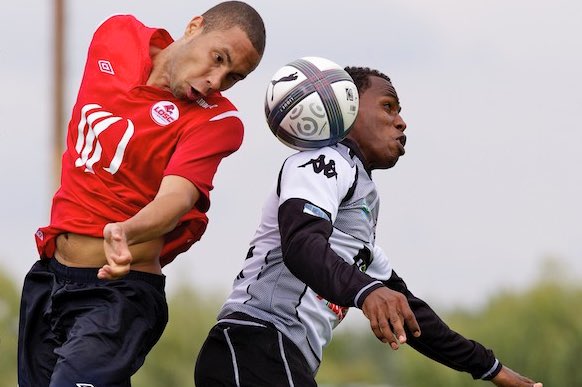
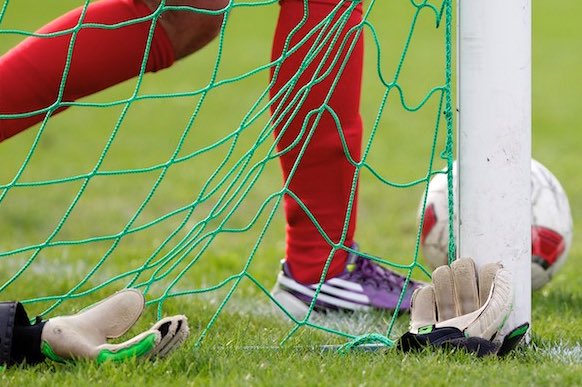
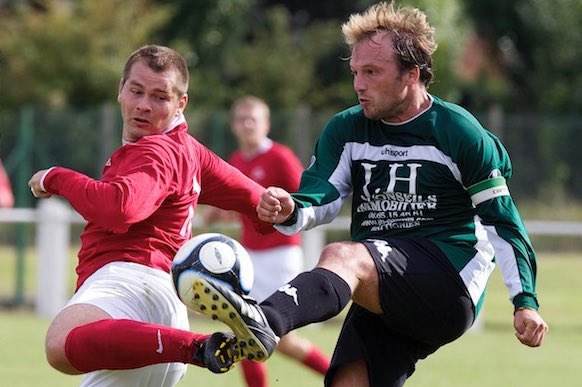
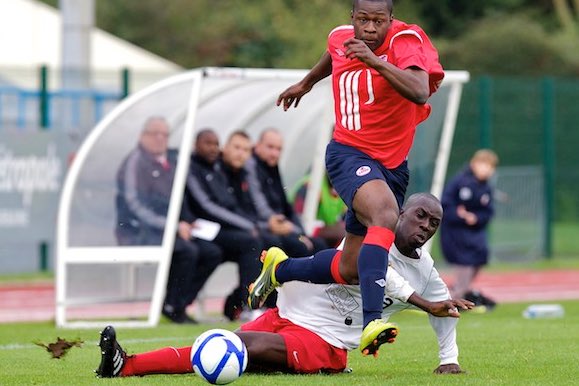
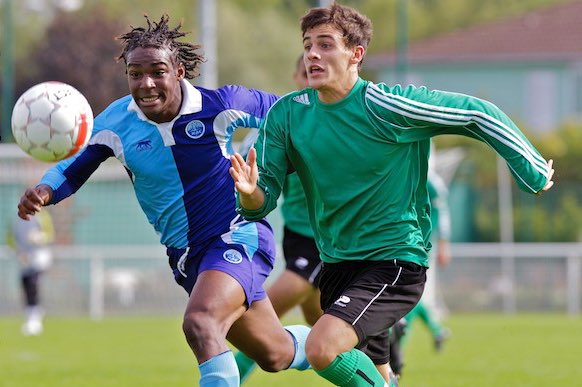
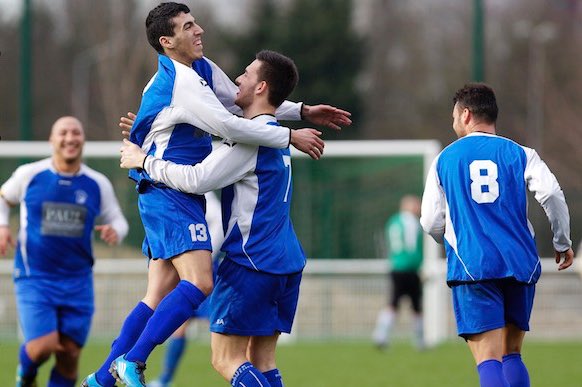
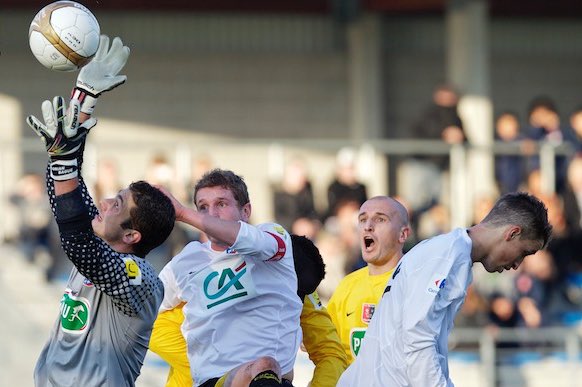
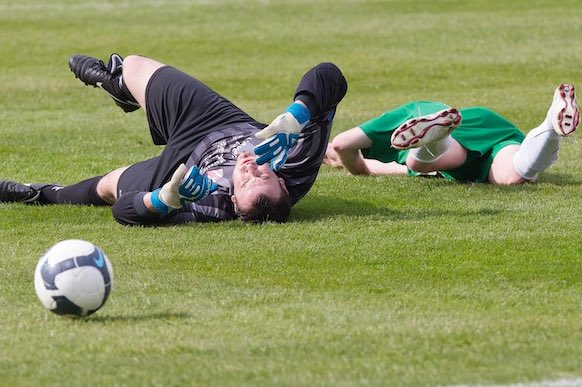
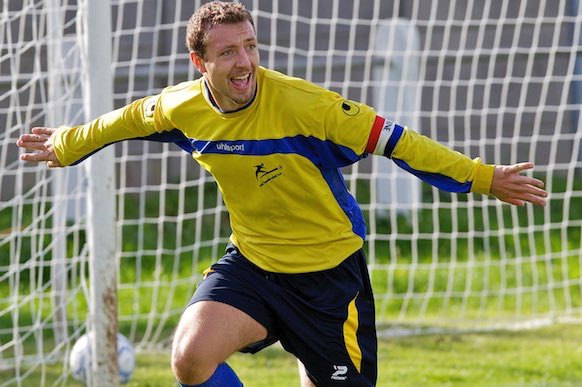
As you can see from the photographs below, amateur football can produce impressive and very varied images. Of course, the standard of play at a small municipal stadium is far removed from Ligue 1, but it is more than enough to get started in football photography. Just as in a professional football match, you find all the essential ingredients: aerial duels, attacking and defensive phases, joy, disappointment, collisions, falls, tackles, reactions from coaches and players… in short, emotions and everything you need to have a great two hours with your equipment!
How to choose a lens?
The lens is the component that has the greatest impact on image sharpness [...]
How to choose a camera?
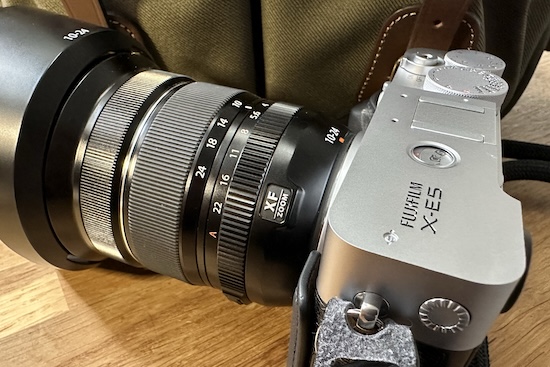
Today, the choice is mainly between mirrorless cameras and the used market [...]
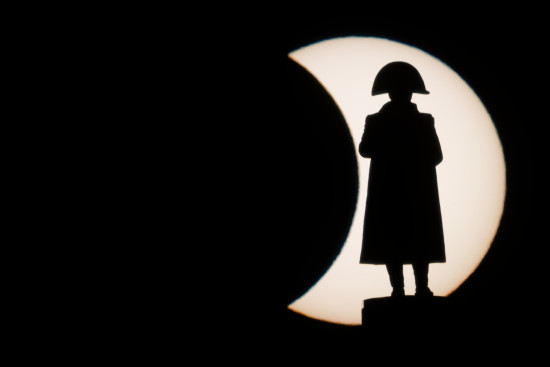
How I photographed Napoleon during the solar eclipse?
An image like this does not happen by chance [...]

How I set up my camera
There is obviously no universal setting that works for every situation. The choices [...]
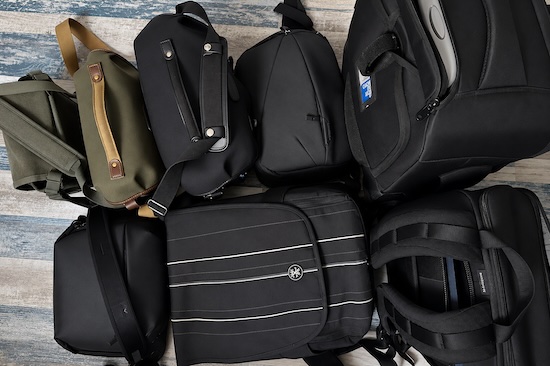
How to choose a camera bag
Finding the perfect camera bag to carry and protect your valuable equipment is [...]

How to choose a computer?
Clearly, in 2026, any recent laptop or desktop computer, whether PC or Mac, can [...]
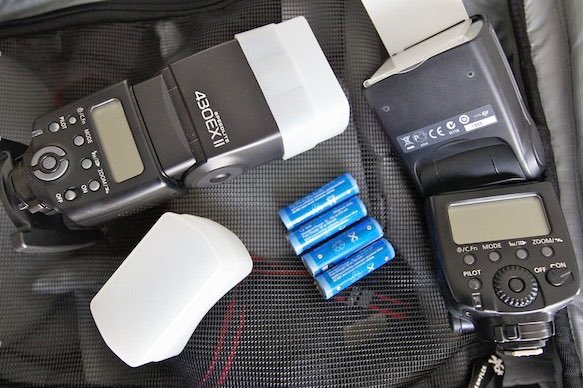
How to choose a speedlight?
A speedlight is far from essential for taking good photographs. Recent cameras [...]

Photographing amateur football
For those getting started in sports photography, covering an amateur football match is a good choice [...]
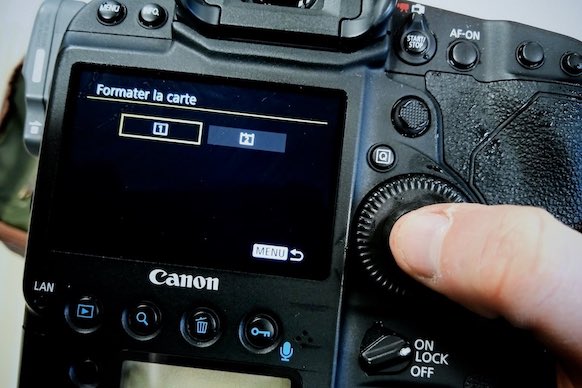
Recovering deleted photos
Accidentally deleting the contents of a memory card by formatting it can happen to anyone: don't panic [...]

My workflow with DxO and Photo Mechanic
Why I spend less than a minute (per photo) on post-processing my assignments [...]
Photographing sports
Sports photography is quite a challenging field to master. It requires [...]
Getting press accreditation
Press accreditation is the essential pass that allows you to photograph a concert, event [...]

Photographing a concert
Photographing a concert or show is relatively complex, but very rewarding [...]
Photographing a sunset
Photographing a sunset is a real treat for both the eyes and the photographer, impossible to [...]
10 tips for better photos
A few tips, in no particular order, to avoid common mistakes. The very first tip [...]
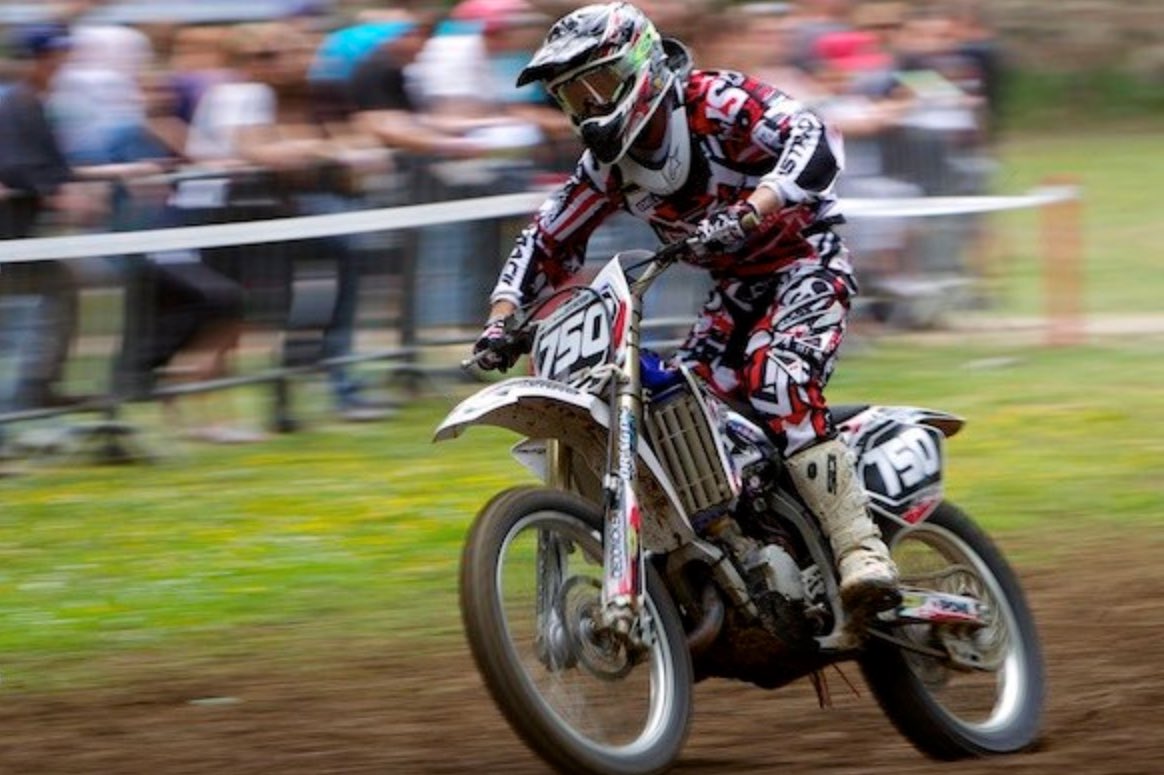
How to create a panning effect?
Essential for photographing motorsports such as rallies, F1 or [...]
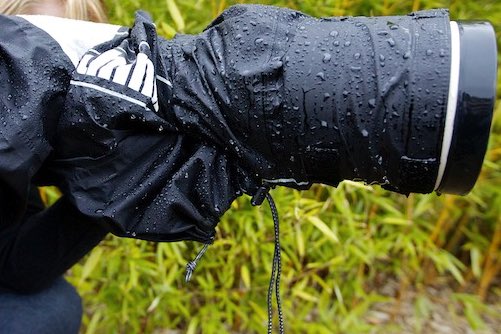
Photography in the rain
As I live in Pas-de-Calais, I should have some expertise when it comes to answering this [...]
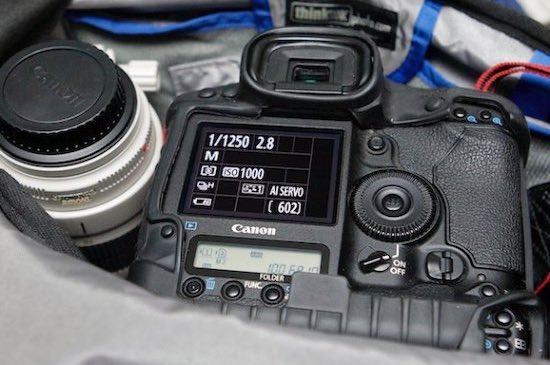
Photography basics
When taking a photograph, the photographer can adjust four parameters to compose and control [...]