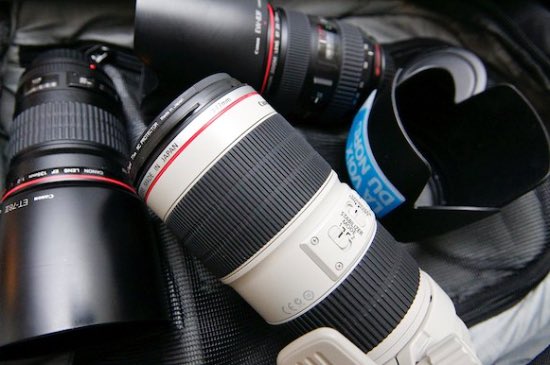
How to choose a lens?
The lens is the component that has the greatest impact on image sharpness [...]

Photo Editing and Photojournalism: Where Does Reality End?
On Instagram and Facebook, I regularly come across photographs of landscapes,
eclipses and natural phenomena that have been heavily transformed.
Skies replaced or modified, elements removed, colours pushed to extremes…
Sometimes, the final image has very little left in common with the scene that was photographed.
And yet, I certainly won't blame the photographer for having fun with their software.
An amateur photographer has every right to do whatever they want with their images.
If they want to completely transform a landscape, remove a wind turbine, replace the sky
or push the colours until they create something that did not exist in front of their lens,
that is their artistic choice.
The problem is not there.
The problem arises when we forget that not all photographs make the same promise to the person looking at them.
An image can be a work of art, a personal memory, an advertisement, an illustration, a scientific photograph or a journalistic document. And depending on its status, the rules of the game are not the same. The question I ask myself is simple: what is this photograph supposed to show me?
If it is presented as an artistic creation, the photographer has enormous freedom. If it is supposed to document reality, that freedom necessarily becomes more limited.
I am a press photographer. When I publish a photograph in this context, it is not simply my personal interpretation of a scene. It is supposed to bear witness to something that actually happened.
There is therefore, for me, a kind of implicit contract with the reader: “This is what happened. This is what I saw.”
I can develop my RAW file. I can correct exposure, an obviously incorrect white balance,
recover highlights or shadows. I can crop an image, for example to achieve the equivalent
of a longer focal length, or slightly remove an unattractive element that I failed to notice
in the viewfinder.
I can even remove a sensor dust spot that appears in the sky.
But I do not remove an element that was actually part of the scene. A person, a car, a wind turbine, a sign, an object… If it was there when I pressed the shutter, it stays there.
I generally work with automatic white balance. If it is obviously wrong, I correct it.
For a sunset, I may also choose a warmer white balance at the time of shooting in order
to reproduce the atmosphere I actually have in front of me.
I am not a fan of highly saturated images. On the contrary, if an image looks too garish,
I am more likely to desaturate it than to push the colours to make the scene
more spectacular.
But there is one very simple limit: if the light is crap, I don't take the picture.
There is no point taking a picture with terrible light while telling myself that I can
fabricate a spectacular sunset afterwards in my software.
That would go against what I expect from a press photograph:
i don't want to show the reader light that did not exist.
I would rather have no photograph than manufacture the one I wish I had taken.
I absolutely do not consider that an amateur photographer who completely transforms their images is doing something wrong.
On the contrary: have fun! They can push every slider, desaturate or saturate, change the sky, remove elements, create an atmosphere that did not exist. It is their photograph and their artistic expression. I don't use Photoshop or Lightroom either. I develop my images with DxO PhotoLab, using a deliberately restrained workflow that I have already described in detail. What changes everything is the status of the image.
This is ultimately where I draw the line. An artistic photograph can allow itself enormous freedom. A journalistic photograph, much less. Not because one is “true” and the other “false”, but because they do not have the same role. When I look at a landscape photograph presented as an artistic creation, I can accept that it has been completely constructed. I know, or should know, that I am looking at an interpretation. When I look at a photograph published to illustrate a news event, I assume that it represents that event. Ethics therefore do not depend solely on what the software allows us to do. They depend on what the image claims to be. The same edit can therefore be perfectly acceptable in one context and completely unacceptable in another. Removing a wind turbine from an artistic landscape? Why not. Removing that same wind turbine from a photograph supposed to document the landscape exactly as it was? No. In the first case, you create an image. In the second, you falsify a document.
This is probably what makes me more wary these days of some of the images I see online.
An eclipse perfectly framed, a gigantic Moon above a monument, a landscape with extraordinary
light and not a single distracting element…
All of that may be perfectly real.
But without knowing the shooting conditions or the processing applied, it is sometimes
impossible to know what was actually in front of the lens.
I simply ask myself: what status does the photographer give their image? Because an image can be beautiful without being documentary. And a documentary image can be much less spectacular while being infinitely more honest.
As a photojournalist, my role is not to manufacture the ideal scene.
I have to be in the right place at the right time, with the right lens,
and try to make the best photograph possible with what actually exists in front of me.
Sometimes the light is extraordinary and I take the picture.
Sometimes it is bad and I put the camera away.
I am not going to transform the second situation afterwards so that it looks like the first.
Because ultimately, my work is based on something very simple:
I don't show the reader what I wish I had seen.
I show them what I saw.
And that is precisely what, in my view, constitutes
the particular ethical responsibility of photojournalism.
How to choose a lens?
The lens is the component that has the greatest impact on image sharpness [...]
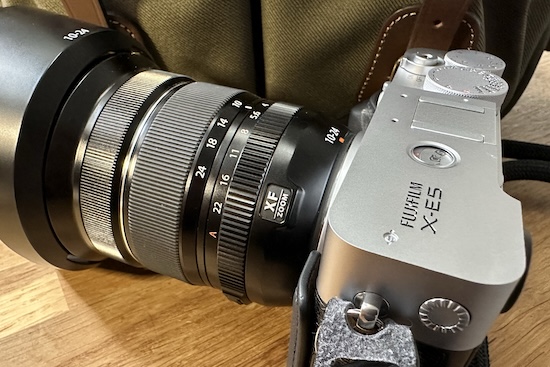
How to choose a camera?
Today, the choice is mainly between mirrorless cameras and the used market [...]
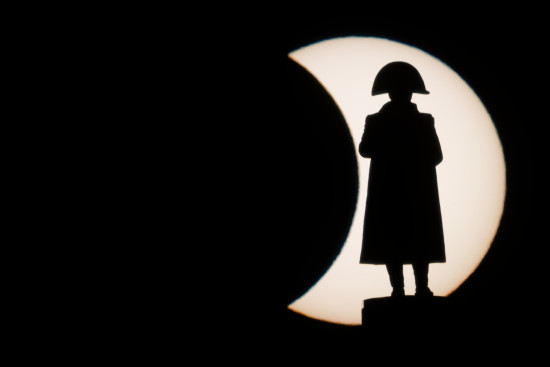
How I photographed Napoleon during the solar eclipse?
An image like this does not happen by chance [...]
How I set up my camera
There is obviously no universal setting that works for every situation. The choices [...]
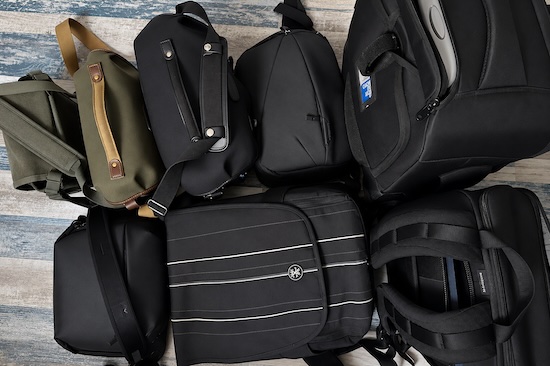
How to choose a camera bag
Finding the perfect camera bag to carry and protect your valuable equipment is [...]
How to choose a computer?
Clearly, in 2026, any recent laptop or desktop computer, whether PC or Mac, can [...]
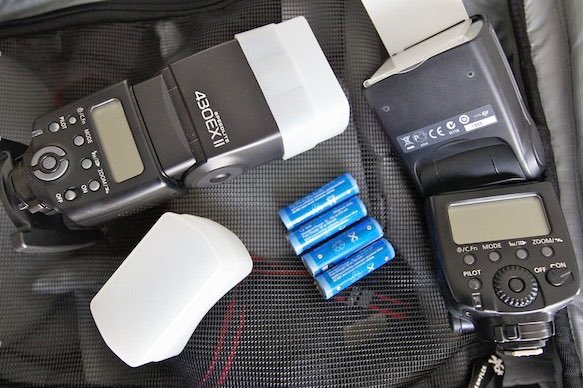
How to choose a speedlight?
A speedlight is far from essential for taking good photographs. Recent cameras [...]
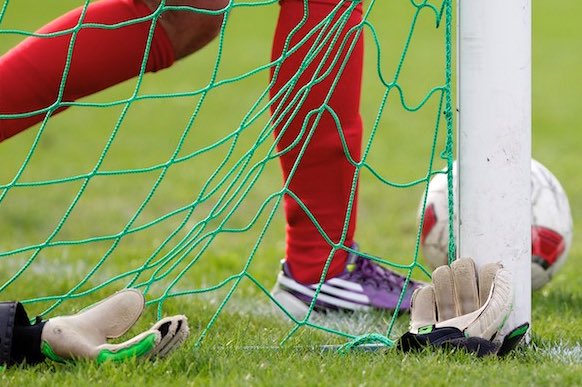
Photographing amateur football
For those getting started in sports photography, covering an amateur football match is a good choice [...]
Recovering deleted photos
Accidentally deleting the contents of a memory card by formatting it can happen to anyone: don't panic [...]
My workflow with DxO and Photo Mechanic
Why I spend less than a minute (per photo) on post-processing my assignments [...]
Photographing sports
Sports photography is quite a challenging field to master. It requires [...]
Getting press accreditation
Press accreditation is the essential pass that allows you to photograph a concert, event [...]
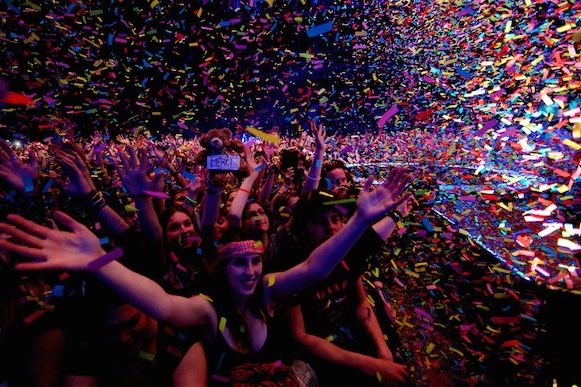
Photographing a concert
Photographing a concert or show is relatively complex, but very rewarding [...]
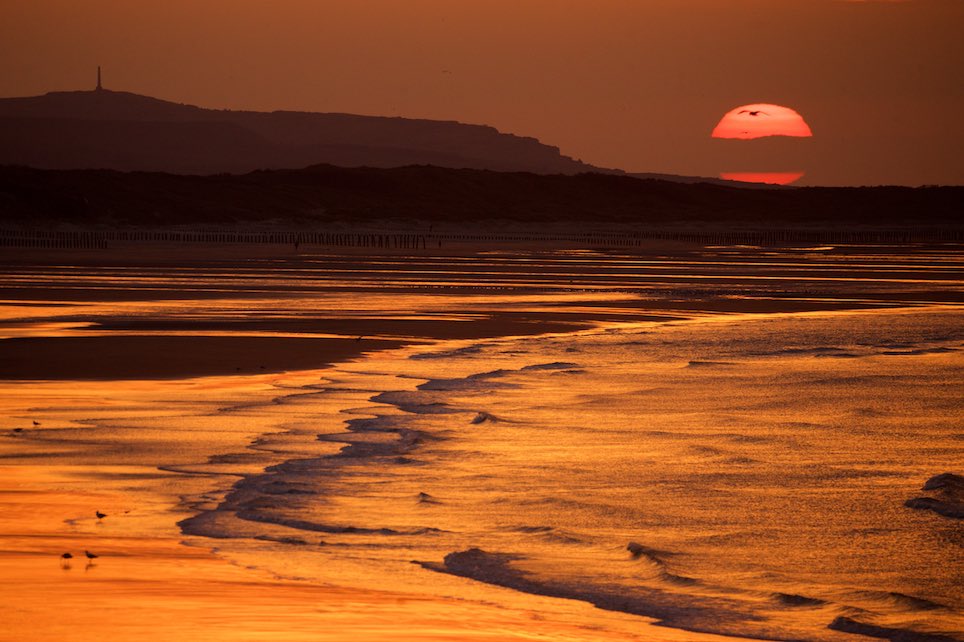
Photographing a sunset
Photographing a sunset is a real treat for both the eyes and the photographer, impossible to [...]
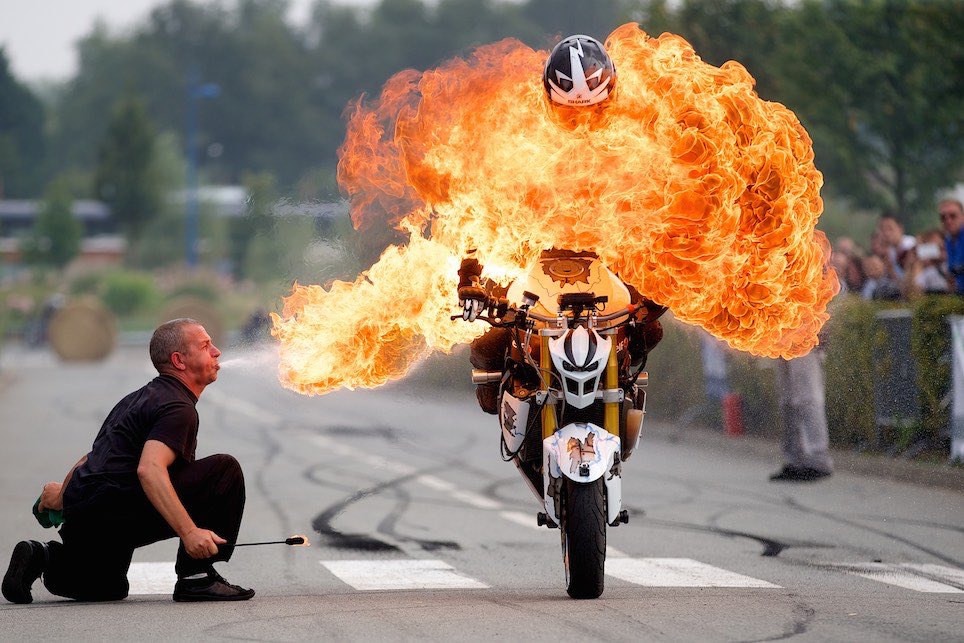
10 tips for better photos
A few tips, in no particular order, to avoid common mistakes. The very first tip [...]
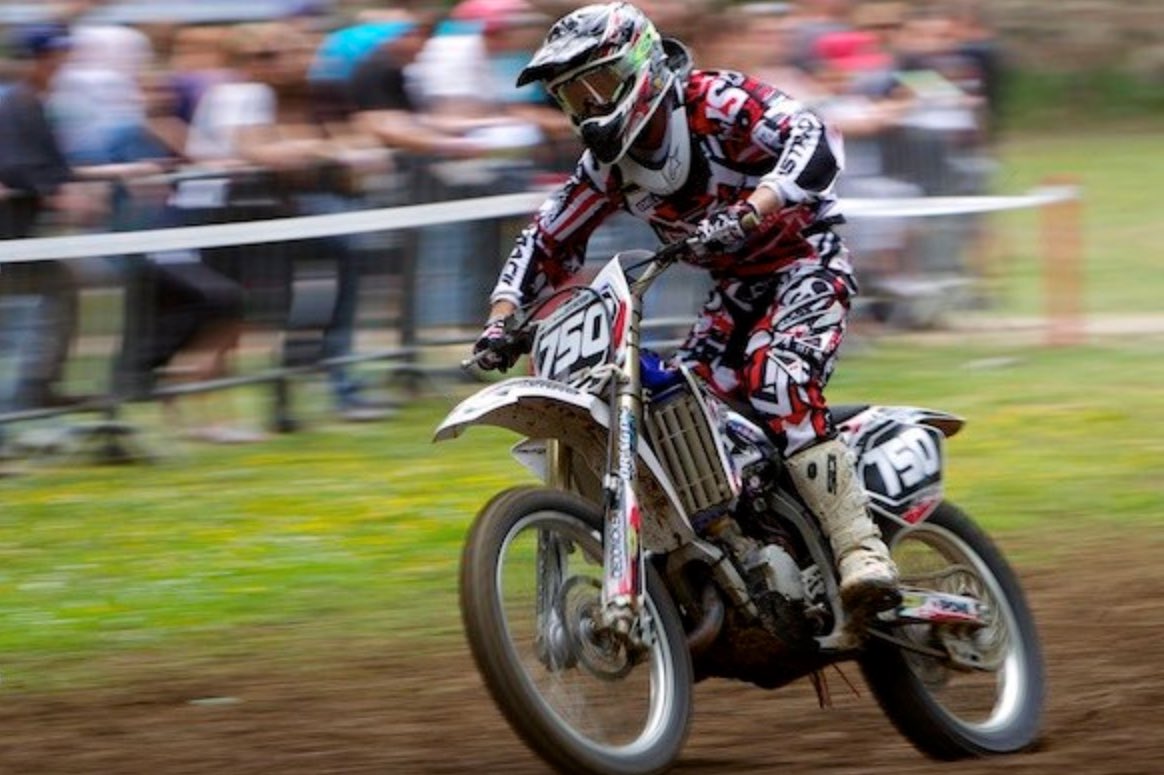
How to create a panning effect?
Essential for photographing motorsports such as rallies, F1 or [...]
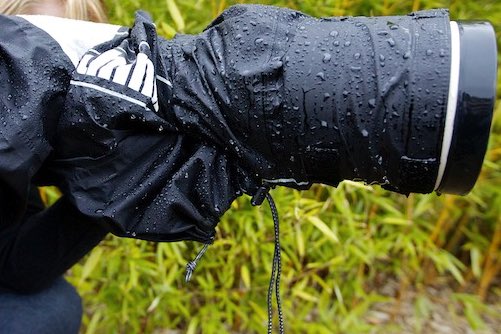
Photography in the rain
As I live in Pas-de-Calais, I should have some expertise when it comes to answering this [...]
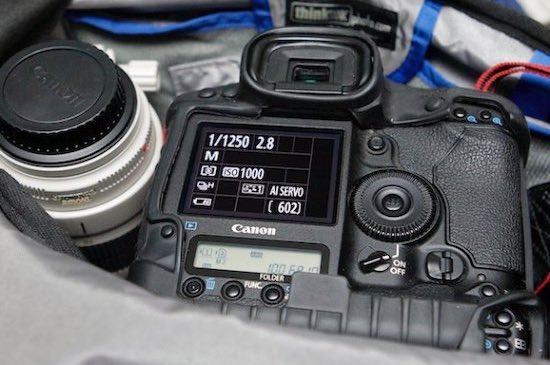
Photography basics
When taking a photograph, the photographer can adjust four parameters to compose and control [...]